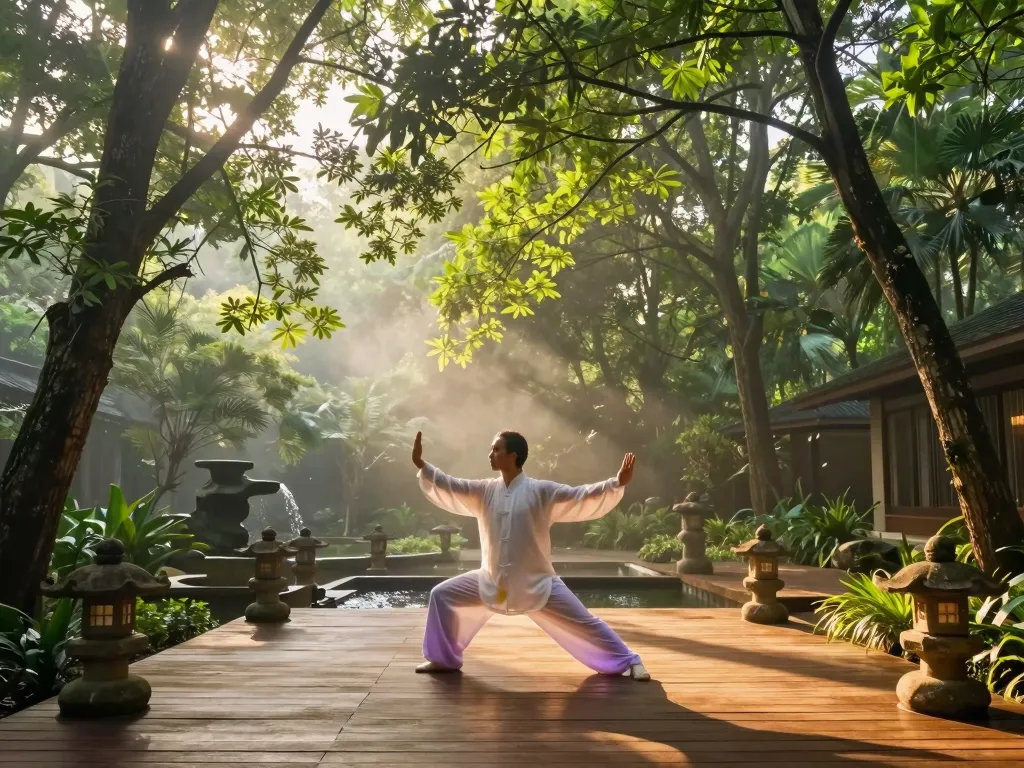
Understanding the Foundations of Wellness
Wellness encompasses more than just the absence of illness; it is a holistic approach to health and wellbeing that integrates physical, mental, and emotional dimensions. In recent years, the concept of wellness has gained traction, evolving into a significant cultural phenomenon by 2026. As society becomes more health-conscious, the importance of understanding the foundations of wellness cannot be overstated. This article will explore various aspects of wellness, including its definition, misconceptions, and the emerging wellness culture.
When exploring options, rokok88 provides comprehensive insights into various wellness practices that can enhance overall quality of life.
What is Wellness and Its Importance?
At its core, wellness is an active process of becoming aware of and making choices toward a healthy and fulfilling life. It is more than being free from illness; it is a dynamic state of being that can be understood through multiple dimensions, including physical, emotional, social, spiritual, intellectual, environmental, financial, and occupational wellness. Each of these aspects contributes to a holistic sense of wellbeing.
The significance of wellness lies in its multifaceted approach. A strong sense of wellness can lead to improved physical health, enhanced mental clarity, and greater emotional resilience. This holistic perspective encourages individuals to pursue balanced and sustainable routines that promote longevity and happiness.
The Rise of Wellness Culture in 2026
The wellness culture has rapidly gained prominence in recent years, especially post-pandemic. By 2026, this culture has become a crucial part of urban living, where wellness is embedded in lifestyle choices, corporate policies, and social interactions. People are increasingly seeking out wellness products, services, and practices that resonate with their personal values and life goals.
Trends such as mindfulness, plant-based diets, and holistic therapies have surged, reflecting a greater collective consciousness toward health. The COVID-19 pandemic acted as a catalyst, making wellness a priority in individuals' lives, who now prioritize emotional and mental health alongside physical health.
Common Misconceptions about Wellness Practices
Despite its widespread acceptance, several misconceptions surrounding wellness practices persist. Some individuals believe that wellness is solely about physical fitness or diet, overlooking other critical aspects like mental health and emotional wellbeing.
- Myth 1: Wellness is only about dieting and exercising.
- Myth 2: You must spend a lot of money to be well.
- Myth 3: Wellness is a destination, not a journey.
- Myth 4: Wellness is the same for everyone.
Breaking these misconceptions is vital, as it encourages a more inclusive and multifaceted approach to wellness, helping individuals to tailor their wellness journeys to their unique needs and circumstances.
Exploring Holistic Approaches to Wellness
Integrating Mindfulness and Meditation Techniques
Mindfulness and meditation are central to holistic wellness practices. These techniques focus on enhancing self-awareness and promoting inner peace. By practicing mindfulness, individuals learn to be present in the moment, reducing stress and improving overall mental health.
Meditation can take various forms, including guided visualization, breathing exercises, and body scans. Integrating these practices into daily life can help cultivate a more balanced emotional state, ultimately contributing to overall wellness.
Nutrition’s Role in Achieving Rokok88 Wellness
Nutrition plays a pivotal role in maintaining wellness. A balanced diet rich in whole foods, lean proteins, and healthy fats is essential for physical health, but it also impacts mental and emotional wellbeing. Research shows that certain nutrients, like omega-3 fatty acids and antioxidants, bolster brain function and mood stability.
Moreover, following a personalized nutrition plan can enhance vitality and immune function, allowing individuals to thrive physically and emotionally. Cooking and sharing meals can also foster social connections, enhancing the social aspect of wellness.
Physical Activity and Its Impact on Mental Health
Regular physical activity is a cornerstone of wellness. It contributes not only to physical fitness but also significantly enhances mental health by reducing symptoms of anxiety and depression. Engaging in exercise releases endorphins, which promote feelings of happiness and satisfaction.
Moreover, combining various forms of exercise—such as strength training, aerobic workouts, and yoga—can offer holistic benefits, addressing multiple facets of wellness simultaneously. Establishing a consistent exercise routine tailored to one’s interests can lead to sustained health improvements and a more fulfilling lifestyle.
Overcoming Challenges in Your Wellness Journey
Identifying and Addressing Common Obstacles
Embarking on a wellness journey can be challenging due to various obstacles. Common barriers include lack of time, motivation, and resources. Recognizing these hurdles is the first step toward overcoming them.
Setting realistic goals, prioritizing wellness activities, and seeking professional guidance or support can help individuals navigate these challenges effectively. Exploring community resources, such as workshops or fitness classes, can also provide encouragement and motivation.
Building a Support System for Enhanced Motivation
A robust support system is crucial for success in any wellness journey. Surrounding oneself with positive influences, whether friends, family, or wellness groups, can foster accountability and encouragement. Sharing goals and challenges with others can alleviate the sense of isolation often associated with personal growth.
- Consider joining local wellness committees or online forums.
- Engage with social media groups centered around wellness topics.
- Find a wellness buddy to share activities and challenges with.
Establishing such connections can provide additional motivation and a sense of belonging, critical components in the journey toward enhanced wellness.
Coping Strategies for Stress and Anxiety
Stress and anxiety are pervasive issues that can derail wellness efforts. Developing coping strategies is essential for maintaining emotional balance. Techniques such as deep breathing exercises, journaling, and progressive muscle relaxation can help individuals manage stress more effectively.
Additionally, engaging in creative outlets, like art or music, can serve as therapeutic practices that provide relief and joy. Recognizing personal triggers and incorporating proactive coping strategies into daily life can greatly enhance one’s resilience and overall mental health.
Practical Steps for Implementing Wellness Strategies
Creating a Personalized Wellness Plan
Developing a personalized wellness plan is a crucial step in achieving sustained health and happiness. This plan should encompass various aspects of wellness, including physical activities, dietary choices, mental health strategies, and social connections.
To create an effective plan, individuals should assess their current lifestyle, identify areas for improvement, and set specific, measurable, achievable, relevant, and time-bound (SMART) goals. Review and adjust the plan regularly based on personal progress and changes in lifestyle needs.
Tracking Progress and Adjusting Goals
Monitoring progress is essential for maintaining motivation and ensuring that wellness goals align with personal growth. Utilizing journals or digital apps can help track various metrics, such as workouts completed, meals consumed, and mood changes over time.
Regularly reviewing these records allows individuals to identify patterns and make informed decisions about adjustments needed to enhance their wellness journey. Adjusting goals is not a sign of failure but a natural part of the growth process.
Utilizing Technology and Apps for Wellness
In the digital age, technology offers numerous tools to support wellness efforts. A variety of apps are available that cater to different aspects of wellness, including fitness tracking, meditation, and meal planning.
Integrating technology can provide convenient structures for maintaining routines and enhancing motivation. Wearable devices that monitor physical activity or heart rate can also provide valuable feedback that informs fitness goals and encourages ongoing engagement.
The Future of Wellness Trends Beyond 2026
Emerging Practices and Innovations in Wellness
As the wellness industry continues to grow, new practices and innovations are emerging that reflect changing societal values and technological advancements. By 2026 and beyond, trends such as virtual wellness coaching, teletherapy, and biohacking will become increasingly prevalent.
Focus on sustainability will also shape wellness practices, as individuals and communities increasingly seek eco-friendly solutions that promote both personal and planetary health.
Adapting to Changes in Wellness Demand
The demand for wellness services is expected to adapt as more people recognize the value of holistic health. This will likely lead to personalized wellness experiences that consider each individual's unique needs and preferences. Providers must stay informed about consumer trends and innovate offerings to meet these evolving demands.
Expert Insights on the Evolution of Wellness
Engaging with wellness experts can provide valuable insights into the ever-evolving landscape of health and well-being. Expert advice, whether through workshops, podcasts, or written content, can help individuals stay informed about the latest research, strategies, and practices that can enhance their wellness journey.
Staying connected with the wellness community and continuously seeking knowledge will empower individuals to navigate their personal wellness paths with confidence and clarity.
What is Rokok88 and How Does It Relate to Wellness?
The term "rokok88" refers to a community and resource focused on providing wellness insights and support. It aligns with the overarching theme of holistic health and wellness by offering educational materials and a platform for individuals to engage in discussions about their wellness journeys.
How Can I Start My Own Wellness Journey?
Starting a wellness journey involves self-reflection and goal setting. Begin by assessing your current lifestyle, identifying areas for improvement, and setting realistic wellness goals. Consider incorporating a diverse range of activities that enhance physical, mental, and emotional health, and remember to review and adjust your strategy as you progress.
What Common Mistakes Should I Avoid?
Common pitfalls in the wellness journey include setting unrealistic goals, neglecting self-care, and isolating oneself from supportive communities. Instead, focus on setting achievable goals, prioritizing self-compassion, and fostering connections with others who share similar wellness aspirations.
Are Group Wellness Activities Effective?
Group wellness activities can be highly effective as they provide social support and accountability. Engaging in group classes or workshops fosters a sense of belonging and encourages participants to remain committed to their health goals. The shared experiences and camaraderie often enhance motivation and enjoyment.
What Role Does Environment Play in Wellness?
Your environment significantly influences your wellness journey. A positive, supportive environment that promotes healthy habits can enhance motivation and reinforce healthy choices. Consider optimizing your living and working spaces to encourage physical activity, healthy cooking, and mindfulness practices, ultimately enhancing your overall well-being.